More Time for What Matters: Why I Built DMR Automation
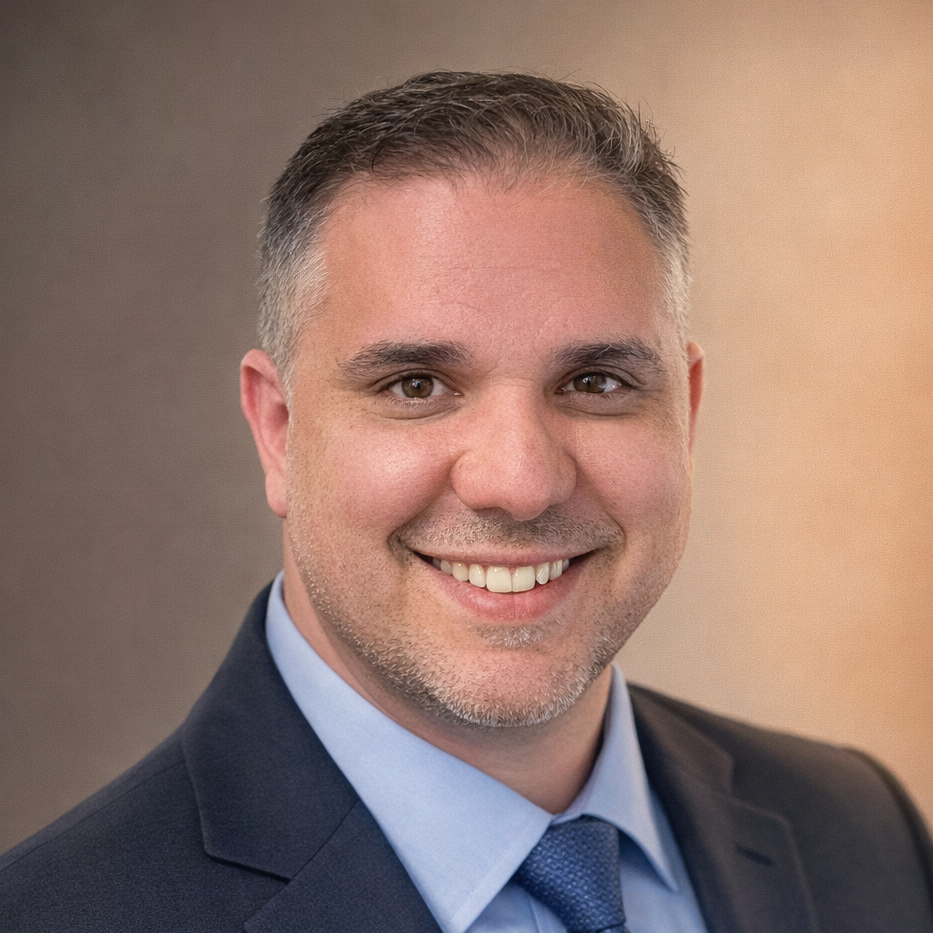

It’s easy to think that making an impact in the world only happens in big, visible ways.
Feeding the poor. Building something from nothing. Changing lives in obvious, measurable ways.
And while those things absolutely matter, I’ve learned something different over time.
Impact doesn’t always look like a spotlight. Sometimes, it looks like removing friction.
The Problem Most People Don’t See
For years, I’ve worked behind the scenes helping organizations run.
Not the part people see , but the part that keeps everything moving:
registrations
follow-ups
communication
data
systems
operations
generating documents
developing quotes
many more
And what I kept noticing was this:
People were spending too many hours doing repetitive work that didn’t have to be done manually and it didn't move the mission forward.
Copying data. Sending the same emails. Tracking things manually. Fixing small mistakes that shouldn’t have happened in the first place.
Individually, each task felt small.
But together, they were draining time, energy, and focus from the work that actually matters.
My Shift in Thinking
Early on, I thought success meant chasing growth, chasing revenue, chasing “more.”
But over time, I started to see that a lot of that felt like chasing the wind.
Busy, but not meaningful.
Full, but not fulfilling.
What began to matter more to me was this finding a way to be 10x more proactive and focused by using technology.
Not by working harder. But by working differently.
Where AI and Automation Come In
There’s a lot of noise around AI right now. Some people are excited. Some people are concerned. Some people don’t know what to think.
But at its core, regarless sof how you see the future, it is undenable that AI will be a force that's not slowing down, and only those who adapt to the new future will reap the benefit of the good it provides.
And like any tool, it depends on how it’s used.
Used poorly, it creates more noise.
Used well, it creates clarity.
When combined with thoughtful systems, AI can:
handle repetitive tasks automatically
process information faster and more consistently
reduce human error
create structure where there was chaos
allow teams to focus on people, not paperwork
Not just remove the human element —but to protect it.
Systems That Actually Work
Most businesses don’t have a people problem. They have a system and process problem.
When systems rely on:
memory
manual steps
constant oversight
disconnected tools
The goal isn’t to add more tools.
The goal is to build systems that:
flow naturally
handle work in the background
reduce unnecessary decisions
operate consistently
support the mission and vision of the organization
operates within an organized structure
In other words:
Systems that run on their own and do the work well!
A Different Kind of Impact
Helping someone directly will always matter.
But there’s another layer to impact that often goes unnoticed:
Helping the people who are helping others.
When an organization runs better:
they serve more people
they reduce burnout
they make better decisions
they stay focused on their mission
That ripple effect matters.
And that’s where I’ve found my place.
Why I Built DMR Automation
DMR Automation wasn’t built to chase trends or hype.
It was built from years of seeing the same problem over and over again:
Good people, doing meaningful work, slowed down by broken or inefficient systems.
The mission is simple:
Help organizations reduce repetitive work and turn manual work into automated systems.
Not for the sake of efficiency alone —but to create more space for what actually matters.
The Bigger Picture
Technology will keep evolving.
AI will keep getting more powerful.
But the real question isn’t what technology can do.
It’s how we choose to use it.
We can use it to:
create noise
replace meaning
chase efficiency for its own sake
Or we can use it to:
remove friction
support people
improve how we work
create more space for purpose
You don’t need to change the world overnight to make an impact. Sometimes, helping things run better behind the scenes is what allows everything else to work.
And sometimes, the most meaningful work is the work no one sees.
Daniel Maximus Rodriguez
Comments